



Best Supplements for Hair Loss Men Consider
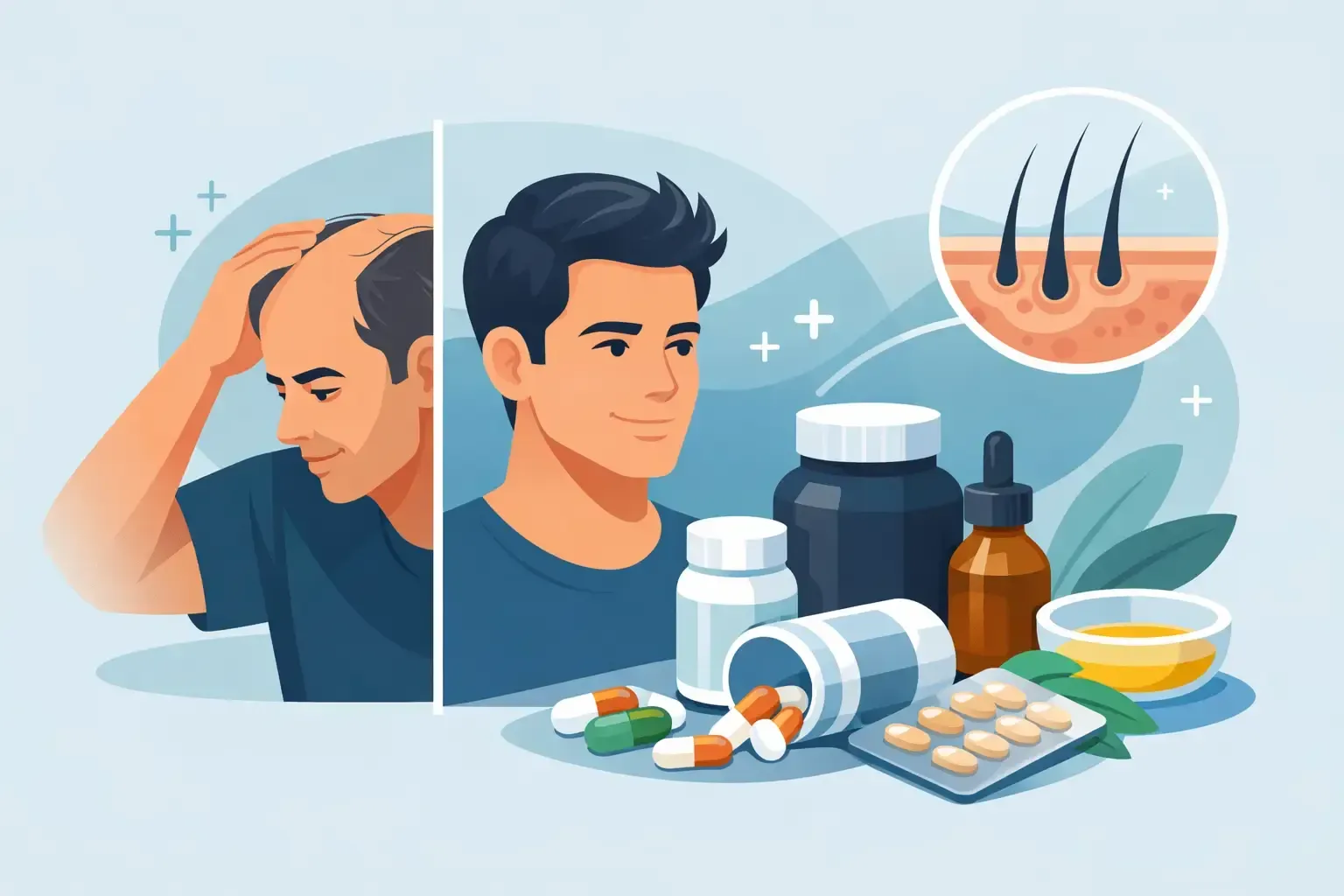
Hair on your pillow, in the shower drain, and around the sink usually gets your attention fast. That is why so many people start searching for supplements for hair loss men can take daily without turning their routine upside down. The smart move is not grabbing the first bottle you see. It is understanding what your hair may be asking for, and where supplements truly fit.
Hair loss in men is common, but the reason behind it is not always the same. For some, it is genetics and sensitivity to DHT. For others, stress, poor sleep, crash dieting, illness, low protein intake, or nutrient gaps can make shedding worse. A targeted supplement can support the hair growth cycle, but it works best when it matches the real issue.
- How supplements for hair loss men fit into the bigger picture
Hair grows in cycles. At any given time, some hairs are actively growing, some are resting, and some are shedding. When that cycle gets disrupted, hair can look thinner, weaker, or slower to grow back. Supplements support the process by helping your body maintain the nutrients and internal conditions healthy follicles rely on.
That said, supplements are not a shortcut around male pattern baldness. If your hairline is receding because of genetics, vitamins alone are unlikely to stop that process. Where they can help is in supporting overall hair quality, reducing shedding linked to deficiencies, and giving your body the raw materials it needs for stronger growth.
This is where expectations matter. Better nutrition support can improve strength, thickness, and resilience over time, but it usually takes consistency. Hair changes tend to show up over months, not days.
- The most relevant nutrients for men with hair loss
When men look at hair support formulas, the labels can feel crowded. A few ingredients matter more than the rest.
1.Biotin
Biotin is one of the most talked-about hair nutrients, and for good reason. It helps support keratin production, which is a core structural protein in hair. If someone is actually low in biotin, supplementing can make a noticeable difference in brittle hair and poor growth.
The catch is that not every man with hair loss is biotin deficient. Taking huge doses is not automatically better. A well-formulated product uses it as part of a broader blend, not as the whole story.
2.Zinc
Zinc plays a role in tissue repair, immune function, and healthy follicle activity. Low zinc levels have been linked with hair shedding in some cases. Men who eat poorly, train hard, sweat a lot, or follow restrictive diets may not be getting enough.
Too little can be a problem, but too much is not a good idea either. High-dose zinc over time can interfere with copper balance and create new issues. That is one reason quality and dosage matter.
3.Vitamin D
Vitamin D is tied to more than bone health. It also appears to play a role in follicle cycling. Low vitamin D levels are common, especially in people who spend most of the day indoors.
If a deficiency is part of the picture, correcting it may support better hair health. It is not a magic fix for inherited balding, but it can be an important piece of the overall plan.
4.Iron
Iron is discussed more often in women’s hair loss, but men can be low too, especially with poor diet, digestive issues, or hidden blood loss. Iron helps carry oxygen to tissues, including the hair follicle.
This is one nutrient where guessing is risky. Taking iron without knowing your status is not smart. If iron is low, supplementation may help. If it is normal, extra iron is not likely to improve your hair and may do more harm than good.
5.Protein and amino acids
Hair is made primarily of protein. If your diet is light on protein, your body may prioritize other essential functions before hair growth. That can show up as increased shedding or weaker strands.
Amino acids such as L-cysteine and L-lysine are often included in hair formulas because they help support keratin structure. For men who skip meals, under-eat, or diet aggressively, this category can matter more than they realize.
6.Selenium and antioxidant support
Oxidative stress can affect the scalp environment and hair follicles over time. Selenium and other antioxidants may help support cellular health, though more is not always better. Selenium especially should be used carefully because excess intake can actually contribute to hair shedding.
A balanced formula makes more sense than megadosing single nutrients.
7.What to look for in supplements for hair loss men actually buy
A strong product should do more than sound impressive. Look for clinically studied ingredients, reasonable dosages, and a formula built around real hair-support nutrients instead of filler trends.
Easy daily use matters too. If a supplement is hard to take consistently, most men will stop using it before results have a chance to build. Softgels, capsules, or chewables that fit naturally into a daily routine tend to work better in real life simply because they get used.
It also helps to choose brands that frame supplementation realistically. Hair support should be positioned as part of a broader wellness strategy, not a miracle promise. That approach is usually a better sign of quality.
- When hair loss may need more than a supplement
Some cases need a closer look. If hair loss is sudden, patchy, accompanied by itching or scalp inflammation, or happens along with fatigue and unexpected weight changes, it is worth speaking with a healthcare professional. The cause could be thyroid imbalance, stress-related shedding, a scalp condition, medication side effects, or a nutrient deficiency that needs testing.
For men with classic male pattern hair loss, supplements can still play a supportive role, but they may not be enough on their own. It depends on how much of the issue is driven by genetics versus stress, nutrition, and overall health status.
That is not bad news. It just means the best results usually come from a broader plan.
- The daily habits that make hair supplements work better
Even the best formula has limits if your routine is working against you. Hair responds to your overall condition, not just one capsule.
Low protein diets, poor sleep, smoking, chronic stress, and rapid weight loss can all push more hairs into the shedding phase. If you are serious about supporting thicker, healthier-looking hair, those basics matter. Getting enough protein, managing stress better, improving sleep quality, and avoiding harsh grooming habits can make your supplement routine more effective.
Scalp care also deserves more attention than it gets. A healthy scalp gives hair a better environment to grow. If you deal with heavy buildup, irritation, or dandruff, addressing that can help support better results over time.
- How long do supplements take to show results?
This is where many men give up too early. Hair grows slowly, and the cycle takes time to respond. In most cases, you are looking at consistent use for at least 8 to 12 weeks before you notice early changes, and often longer for more visible improvement.
The first signs may be less shedding, stronger texture, or hair that feels a little fuller. Dramatic regrowth is less common and depends heavily on the cause of the thinning. If the issue is nutrient-related, improvement may be more noticeable. If it is strongly genetic, the benefit may show up more as support than reversal.
Consistency wins here. Missing doses, switching products every few weeks, or expecting overnight change usually leads to disappointment.
- Choosing a smarter hair support routine
The best approach is targeted, not random. Start by asking a few honest questions. Are you eating enough protein? Have you been under unusual stress? Are you sleeping poorly? Have you lost weight quickly? Is the thinning gradual and hereditary, or sudden and unusual?
From there, choose a supplement with evidence-based ingredients and realistic positioning. A modern wellness brand like Zeyls Wellness understands that visible concerns like hair loss are often connected to broader daily health, which is why targeted supplementation works best when it supports the whole routine, not just one symptom.
If your hair loss is mild and connected to lifestyle strain or nutritional gaps, the right formula may be a smart and convenient addition. If the pattern is more aggressive, think of supplements as support, not a stand-alone answer.
Hair health is rarely about one ingredient or one week of effort. It is built through steady input, better daily habits, and choices that support your body from the inside out. Start there, stay consistent, and give your routine enough time to prove what it can do.
share this
Related Articles
Related Articles

STAY UP TO DATE
GET PATH'S LATEST
Receive bi-weekly updates from the church, and get a heads up on upcoming events.
Contact Us